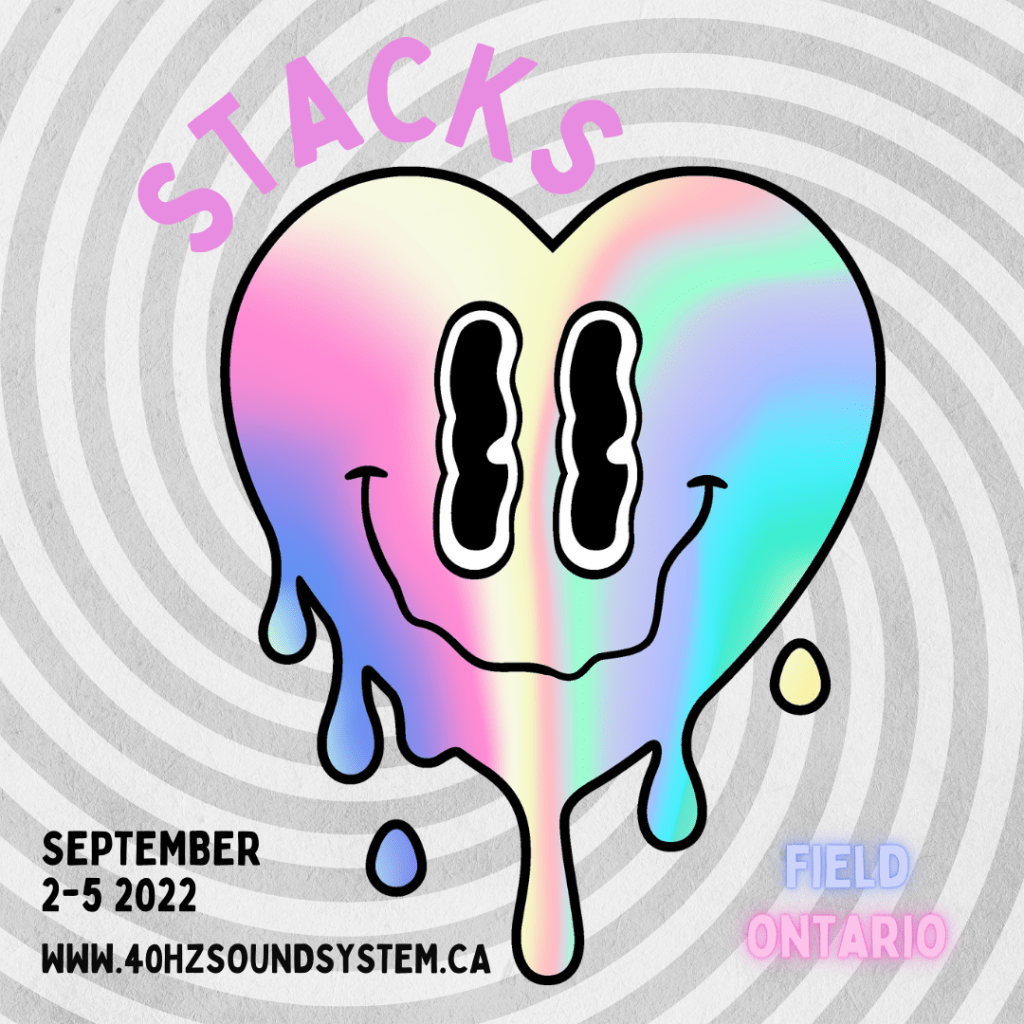
On July 27th, 2022 I sat down for a Zoom call with Jon Spyne and Jenn Steinjah, operators of the legendary 40Hz Soundsystem, which if you are not from Canada, you may be familiar with through the homage 40Hz by Distinct Motive. The 40Hz Soundsystem has been powering some of the best parties and festivals that I have been going to for the past decade and I wanted to talk to them about their event “Stacks 2022”, how they got into the business of supplying sound at events and pick their brains about things happening in the Canadian Bass Music Scene. The transcript of our conversation begins below:
Jordan: For the people that don’t know, what is the 40Hz Soundsystem?
Jon: I guess it kind of served a purpose, I guess it would have been inspired by Lackluster Soundsystem or Music That Deserved Better, when we were kind of coming up, I would say in the early dubstep years. We went to a lot of drum and bass parties since about probably ’99 or ’98, maybe 2000. Well, maybe earlier than 2000.
Jordan: Was that in Toronto?
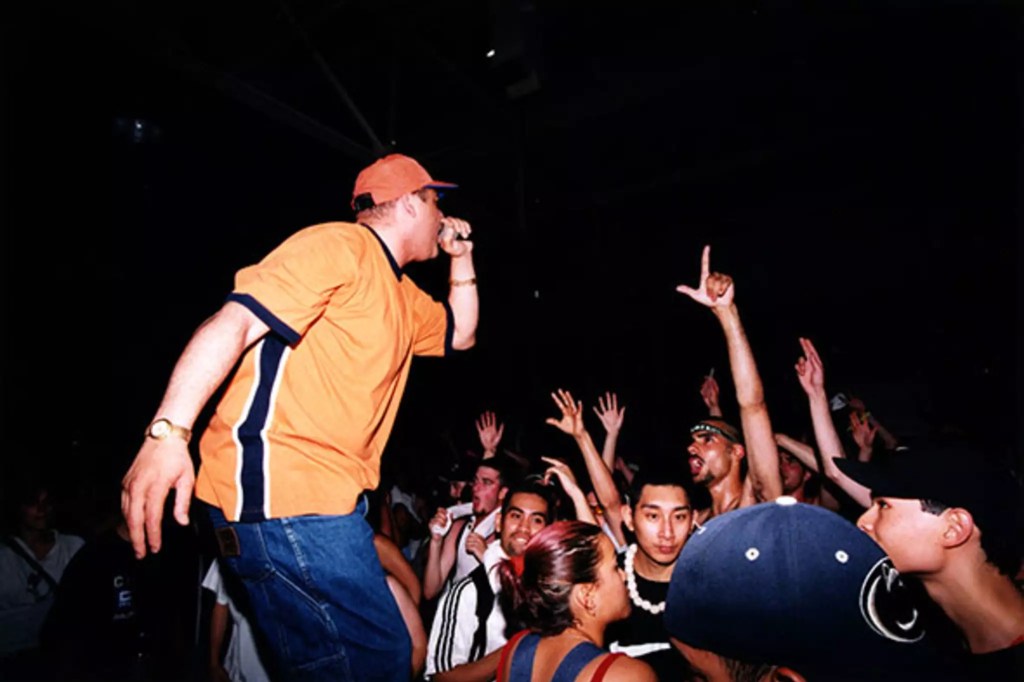
Jon: Yeah, we grew up in the Toronto area, Eastern Toronto, and the drum and bass scene was huge at that point. So we ended up very into that scene for probably about ten years. Then, to get into the (40Hz) soundsystem, things started to change a little bit. Dubstep started to become a big thing and you needed a good soundsystem for it. We went to a lot of wicked parties back in the day that kind of lacked the appropriate sound and that’s why we started to put stuff together. We started building sound a couple years after that, about 2010 or so.
We started going to a bar called Thymeless on College Street called Dubslingers Wednesdays and they had a massive soundsystem in there in a tiny, tiny spot. That was kind of where all the bass heads met. Looking back at the pictures it’s kind of like an “all the friends you didn’t know yet”-kind of deal. But Thymeless & Dubslingers kind of pushed us in a direction that made the sound number one. When we went to Outlook Festival and walked around with all the soundsystems in Croatia and then kind of knew right away that we had to come home and start building our own and that’s kind of when that happened. I think that was 2010. That’s how that was spawned. The custom soundsystem started after that and I would say that’s where the soundsystem itself came from, even though we were doing parties as 40Hz before, that’s where the entity was born so to say.
Jordan: And who is 40Hz?
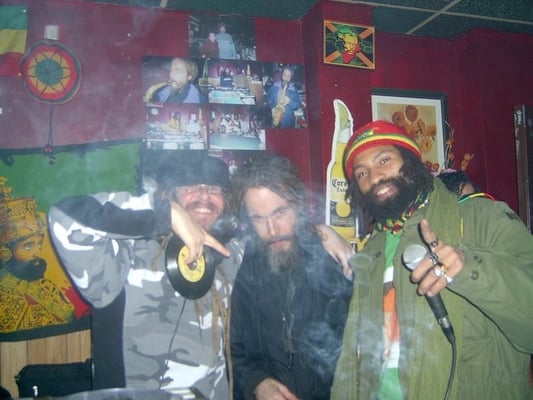
Jon: 40Hz is just Jenn and I. We have a little peripheral crew that is like a little family that we have but at the core it’s just Jenn and I.
Jordan: What role does the 40Hz Soundsystem play in the events you’re involved in? Does it vary from event to event, or is it consistent across the board?
Jenn: It really depends on what event we are hosting. Stacks (2021 & 2022) we produce and curate the entire event and kind of oversee everything from the promotions to the sound to the curation of the artists and the energy and the flow of the parties. However, we’ve recently been involved with Department of Civilian Dance (through Last Planet in Toronto) most recently and with those events we are strictly the soundsystem. We team up with other crews so that each event has it’s own structure and we work in a variety of different capacities in that way. That’s kind of nice because you get to learn what everybody else is doing and provides time for us to shine at what we shine at which is: the soundsystem itself.
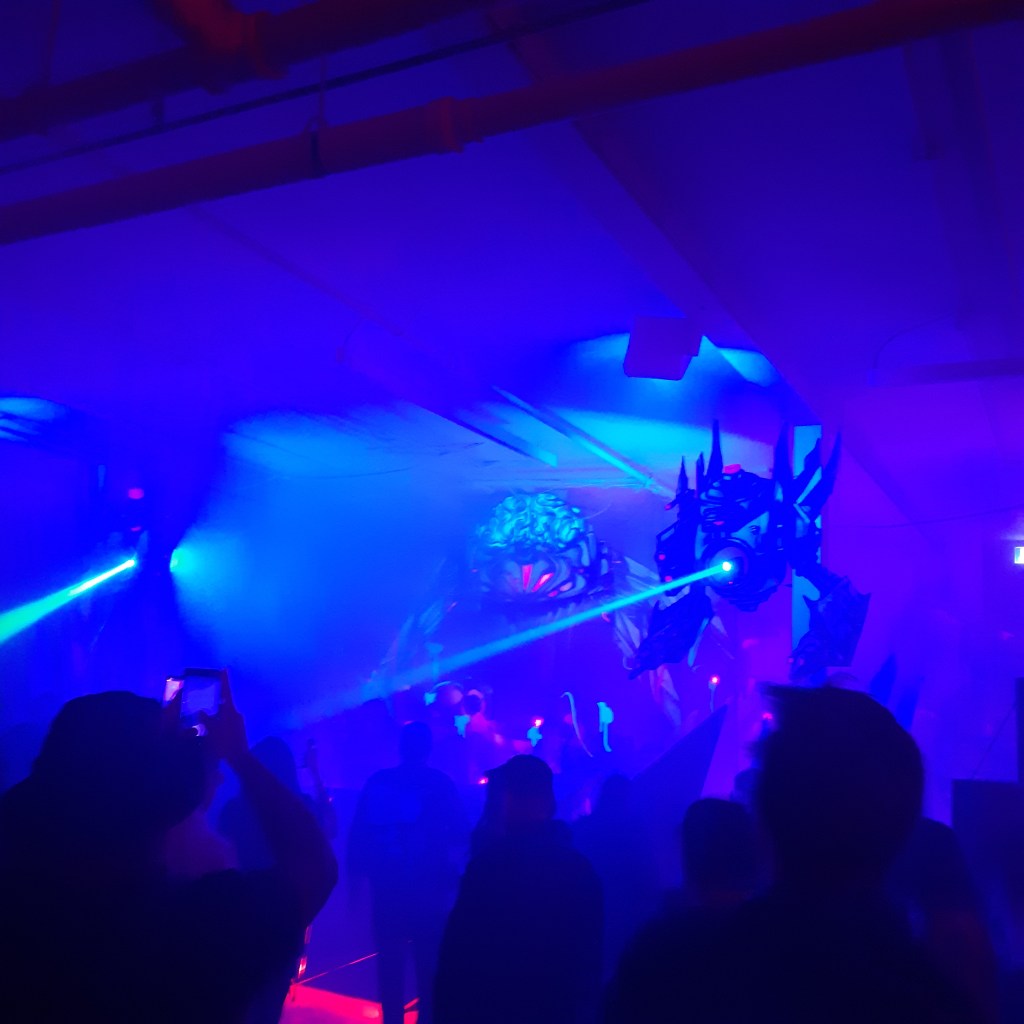
Jon: I would say that at the current moment, our priority is mainly just doing sound for other events. We’ve really lucked out with, like Jenn said, DOCD and Last Planet Crew and all the artists that they work with like Kizmet. It’s a real event now and it’s been a while since Toronto has seen an event like that, or even if any, before. It’s very reminicient of the old school warehouse days because its in a big white warehouse. We’re lucky enough to be involved doing that kind of stuff right now and still doing festivals. For the most part in terms of event organizers, we kind of let other people do that now. We have full time, busy lives and I think our days of the 40Hz city parties may be behind us, we’ve just kind of turned a new page in a way.
Jordan: As people who are involved in the entertainment industry, is there a balance that you’ve struck between your “Monday-to-Friday” lives and this? I’m asking from the position of someone who is an amateur, who doesn’t pay bills with DJing.
Jenn: This is a labor of love, we both have Monday to Friday jobs that pay the bills and this is something that we do for fun. It is growing and it seems like there is definitely a resurgence of party energy and people are keen to just go out.
Jon: Obviously, post-COVID that’s brought a new wave of energy in. For the most part, what (having Monday to Friday lives allows) is that does is let us do what we want to do and not what we have to do in a way. By having a full time gig otherwise, we do exactly what we want to do and it allows us not to compromise and we are really able to dial in and do what we want to do. That really is what we want to do: what we prefer to do. We don’t really want to take unsavoury gigs to try and pay bills. When it’s set up like that, it’s got more integrity I find. That’s allowed us to keep our two feel planted where we are and were we want to be and where we want to go.
Jenn: It’s more organic right? We just did what felt right at the time, so if there was a booking that we felt very passionate about we would take the booking and launch it from our hearts. That’s where the labor of love comes in. Then when other people were making great bookings, that’s perfect, because sometimes its hard to promote and meet the numbers. Jon mentioned pre-COVID and post-COVID and … the energy is different and so we just chose organically what we wanted to do.
Jordan: You’ve mentioned Department of Civilian Dance in Toronto, can you tell me any of the other events that you’ve been involved in across Canada?
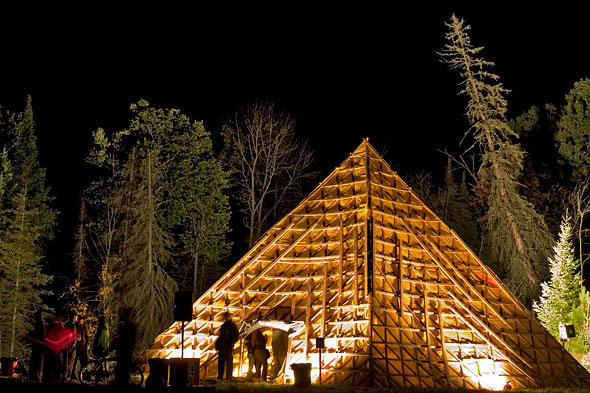
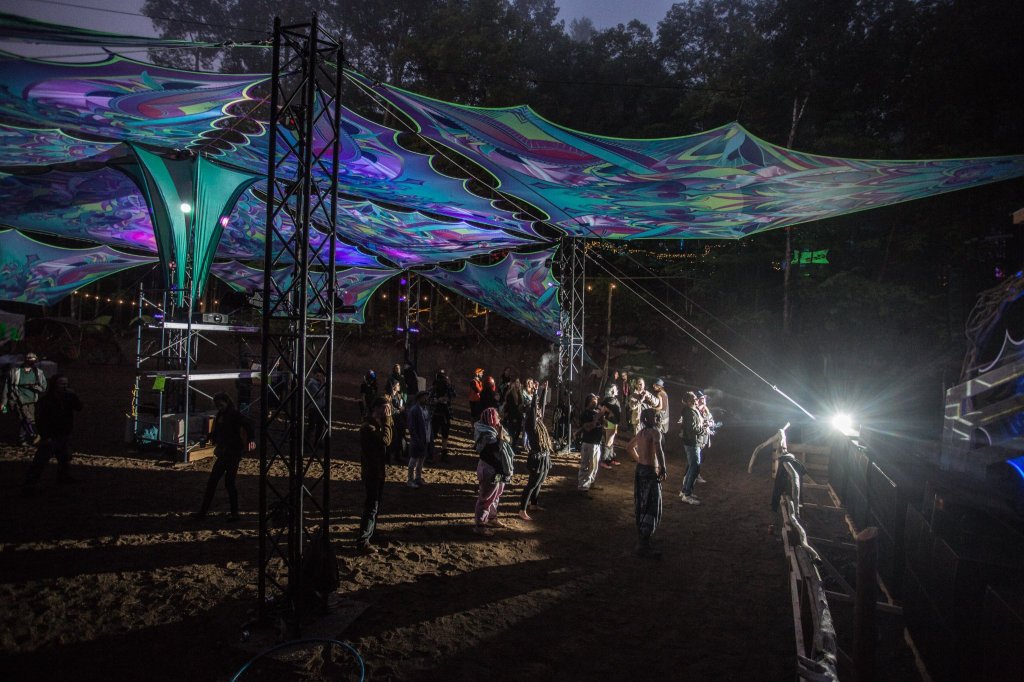
Jon: I would say the last maybe 7-8 years we’ve been doing sound consistently at the Pyramid at Harvest Festival which is kind of a real cornerstone of the year for Toronto and the festival crew. It’s not a predominantly younger generation that’s there. It’s kind of predominantly an older generation. Every year is a little bit different in that ratio, but it’s very unique in a way that it has old roots but it also invites in a lot of younger party people. That one there has been one of our favorite things that we’ve been doing in the last five to ten years. That one has been the more consistent one too, other than the COVID years we’ve been there every year and we’ve just developed a little family through Harvest Festival. It’s been great networking because the crew that runs that one is amazing, the Alieninflux crew, Justin and Angelo. It’s just a proper, vibey festival, without getting too big, I think there’s about 1800 people or so. So that one is pretty much a cornerstone of our year, really grateful for that one.
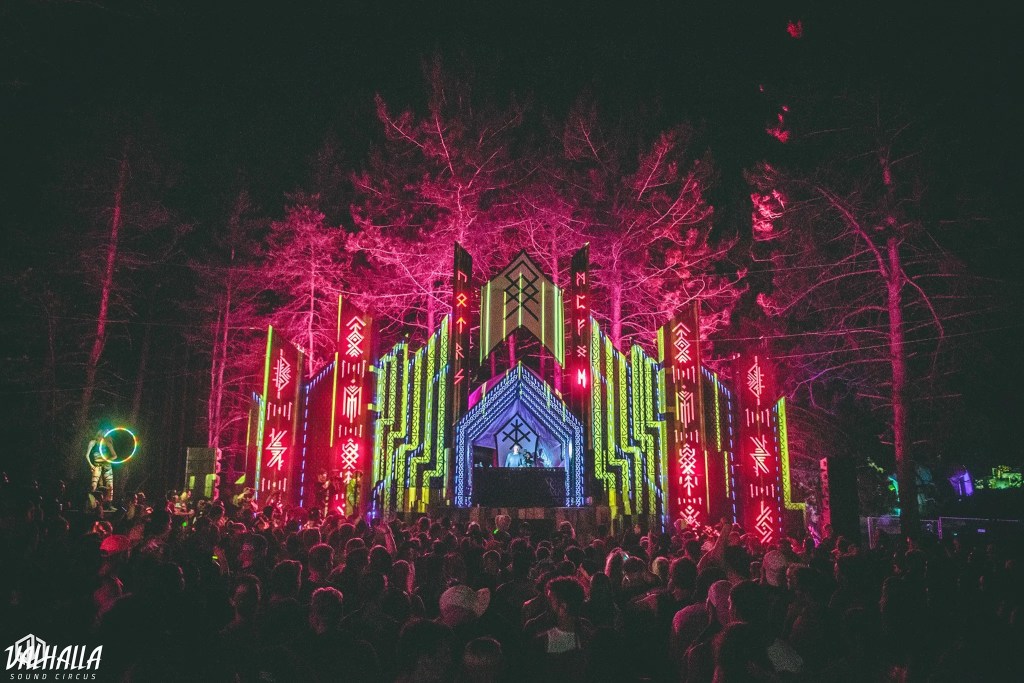
Jenn: I guess our summers are kind of sprinkled with festivals, another one that was a staple for us was Valhalla Sound Circus in Quebec. We get a lot of love in Quebec, things are different than they are in Ontario, there are really no sound restrictions and people love when other people are having a good time, so every time we go to Quebec we get the chance to really let the soundsystem shine. The Big Tooth Crew are the people who were throwing that. They’ve taken a pause for a few years but some of the team members that were participating in that, have transferrred over to another festival Groove & Bass and those guys had us up this year for Canada Day. That one is only in its second year and it was massive. It was six days of music with a big lineup and it was really well curated.
Jon: We didn’t have the soundsystem there though.
Jenn: No we did a takeover, DJ takeover.
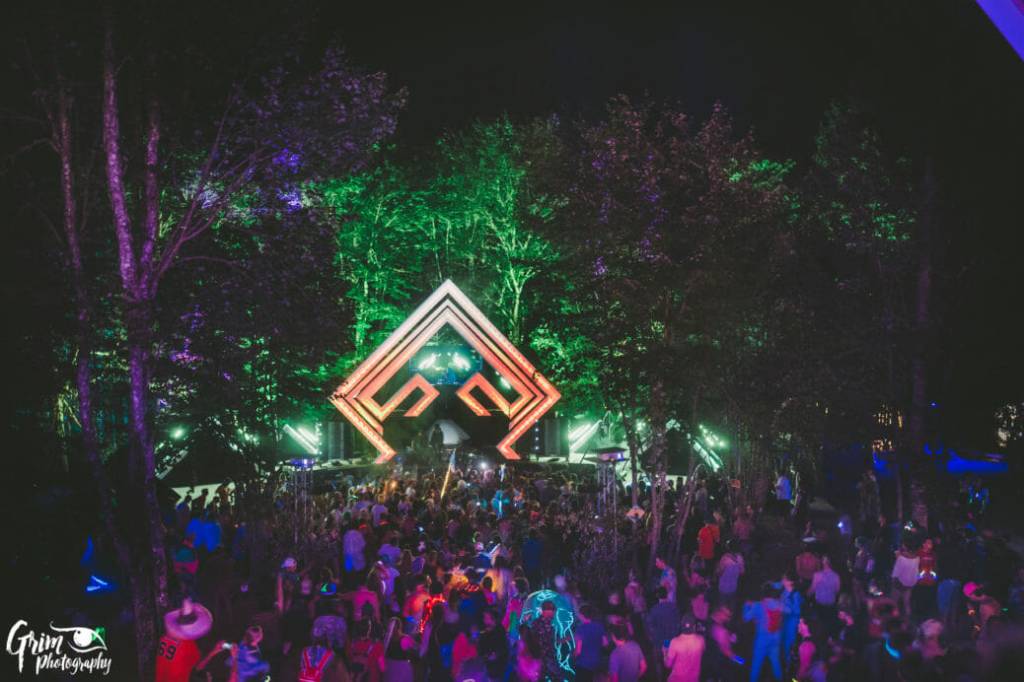
Jon: Yeah we just DJ’d at that one, but that one was really fun and that one is up and coming. Also in years prior; it’s kind of defunct now, we would do Solstice which was also a staple for us. Again it was kind of a smaller festival, I think it was 2000 or so people. For the most part, pre-COVID we had some staple summer festivals and we were kind of doing parties here and there in the city and we were doing sound for other people. It was pretty busy. There was a lot of things going on, but now I find things have gotten a bit more refined post-COVID. People have come out of the woodwork with their new ideas and I personally enjoyed the break because it was getting a bit crazy. When it comes down to it, the soundsystem needs to be outside for people to feel the full weight of it though.
Jordan: You mentioned DJing. I’m wondering if you can talk about anything that influences your personal styles?
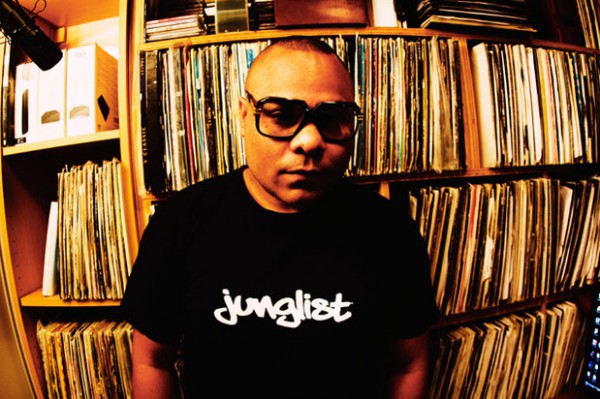
Jon: I started DJing in 1997 and we were just in the jungle scene for 10 years. The music started to change, I started to play a bit more of a bass music style because I’ve always been a big fan of downtempo and chillout music and the slower tempo with the heavy production element still just checked all the boxes. So around 2007 or 2006 I started playing dubstep and then we started with the soundsystem. Once we had the soundsystem and the gear around, Jenn started picking up the decks and it’s been history for there, she’s done really well. She’s got more of a reggae style and I play more of a dub and reggae style as well, but we just graduated from one step to another and it’s still evolving and I don’t think it’s close to being complete. That’s where we came from, we grew our legs in the drum and bass scene and then as the bass music scene developed the soundsystem became a cornerstone of that. We’ve been playing on the soundystem for maybe 13-14 years now.
Jenn: I was always a front-row, dancer, raver and once we had the soundsystem the allure took control, it was just unstoppable. It was like “play this tune, play this tune!” and finally instead of just having all these requests I was like “Well, I’ll just do it myself.” So it’s just exciting! It’s so fun to hear all your favorite tunes on big sound with nice EQ, and why not, you know, if you’re there from beginning to end setting it up and tearing it down, sneak a couple in?
Jordan: You’ve mentioned the shift that dubstep had within the scene. I’m wondering if you can comment on any of the other notable shifts that have happened in your time in the scene?
Jenn: Toronto has always been a jungle scene, so I think in Toronto jungle will always get representation. There was the first dubstep shift and at first it was just one big family and then I think there was this kind of branching there where there was like “foundation dub” and then “brostep” and then brostep took off in big EDM style festivals and the foundation dub was for the heads. Then we went to Outlook Festival and being from a jungle scene, and like ragga jungle always having a reggae-
Jon: We have to throw Marcus Visionary in there because we was the godfather. In a way he still is. He definitely raised us by hand and hand fed a lot of us ravers back in the day. So looking back, the jungle scene was highly influenced by what a few people were doing, and luckily he’s still doing it in an even larger capacity than ever.
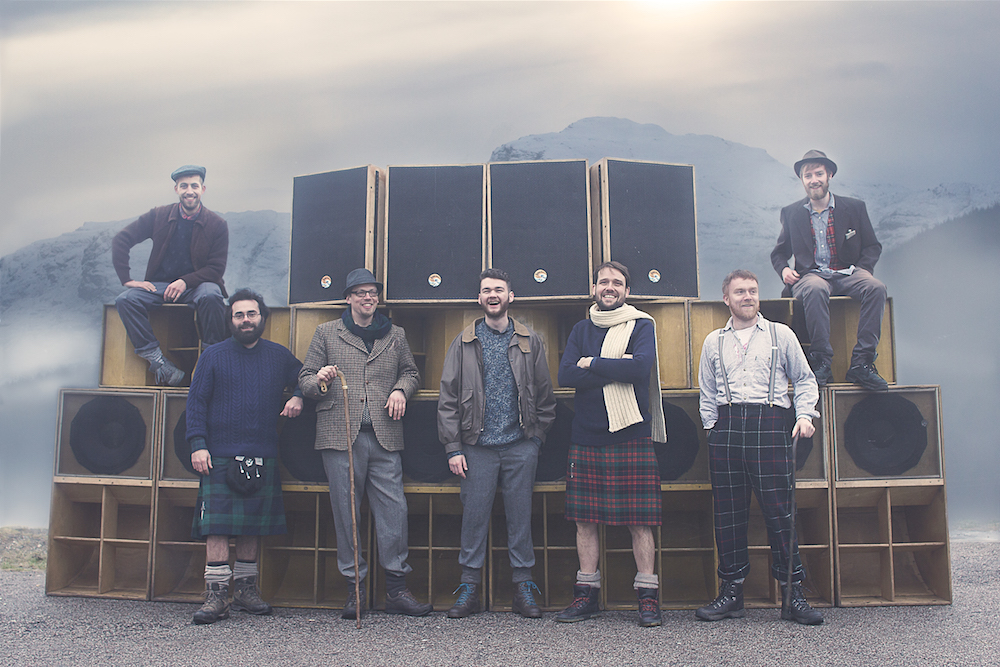
Jenn: It’s true. And yeah and in terms of other developments, I would say the reggae-dubstep fusion like Mungo’s HiFi: that digital dubstep reggae sound. I remember when we were in Croatia, I remember the moment we were standing in front of the Mungo’s sound system (and back home we had Cerwin Vega 18″ subwoofers and double 15″ JBL tops which we still use as monitors) and Jon stood there in front of the sound and was like “I’m bringing this home with us. This is it.” It was one moment and he was completely inspired and came home and started building. So Mungo’s HiFi soundystem definitely inspired us and blended a lot of the sounds like reggae and dubstep and pushed us to a place where we have the sounds of today.
Jon: To go back to where Jenn dropped off when the dubstep split happened, to a lot of us the music turned into something that we weren’t really too fond of. It kind of lost the element and turned into something a little bit more noisy but what that did, and I think this is pretty important when that happened, is it brought everything to a bigger stage and it’s something that the really cerebral dubstep would not have done on it’s own. Here anyway, we can’t speak about anywhere else, but in Toronto specifically that kind of floated the dubstep idea a little longer that it may have lasted on it’s own. In a way that music that we weren’t originally fond of, that wasn’t the music that originally drew us in, it kind of created a buoy in a way and everyone was able to hang onto that. We were all still under the bass music umbrella and now you see these big festivals, in the United States specifically and you have a great mix of the big heavy noisy guys and the really big heavy deep guys. I feel like that shift, really promoted the idea to stay around longer and as much as we may not have loved it when it happened it’s allowed things to survive. Had that not happened, things would be really different. Everything gets stale with time and eventually rolls over into a new state, but that shift there it really catapulted things to where they are today because it brought a bigger crowd in and energy. When the people come in, the money comes in and that lets you do bigger festivals, larger shows and that’s really promoted the bass music scene is the original split.
Jenn: That’s a really good point and just to build off that, I think that really opened people’s minds to different things … you know in Toronto anyways … it was always jungle all night, 175 BPM …
Jon: One speed, all night.
Jenn: From beginning to the end. Then when dubstep came in, we shared space, we shared people and shared community and that really opened up the events. Now we’ll have bass music parties and there’s jungle and dubstep and dancehall and digital-reggae. Soundsystem music together is that all built in. You know, you’ve kind of branded Nickel City Frequencies as soundsystem music and I think that’s great because it’s so broad and so encompassing, the umbrella is big enough for everybody.
Jordan: Can you tell me about any interesting regional trends across Canada?
Jon: You know its funny you ask because all that stuff just happened. Future Forest is happening or just happened. Shambhala just happened. Bass Coast just happened. Groove ‘n’ Bass just happened three or four weeks ago. With Canada being so large, there’s a big geographical area from Vancouver to the East Coast like that’s two different worlds, but what I think the common thing is, especially since coming out of COVID, is people love the music. They do. There are a lot of great artists, visual artists, musicians, producers, there’s just so many people who can’t help themselves in a way. That’s probably the biggest and best trend I think, that people aren’t doing it for anything other than the fact that’s wha they love to do. Yeah people still like to party and what not but they really do love the music. I feel like that’s a trend that should never go away and it’s one that I see from the West Coast to the East Coast and that’s pretty inspiring. It’s not a party scene, it’s a music scene; and that’s way different than just people out there partying. It lasts longer, it’s more sustainable and it’s more fun. It’s just fun when everyone is into it, 10 out of 10 and not just because they’re jacked up, but because they love the music.
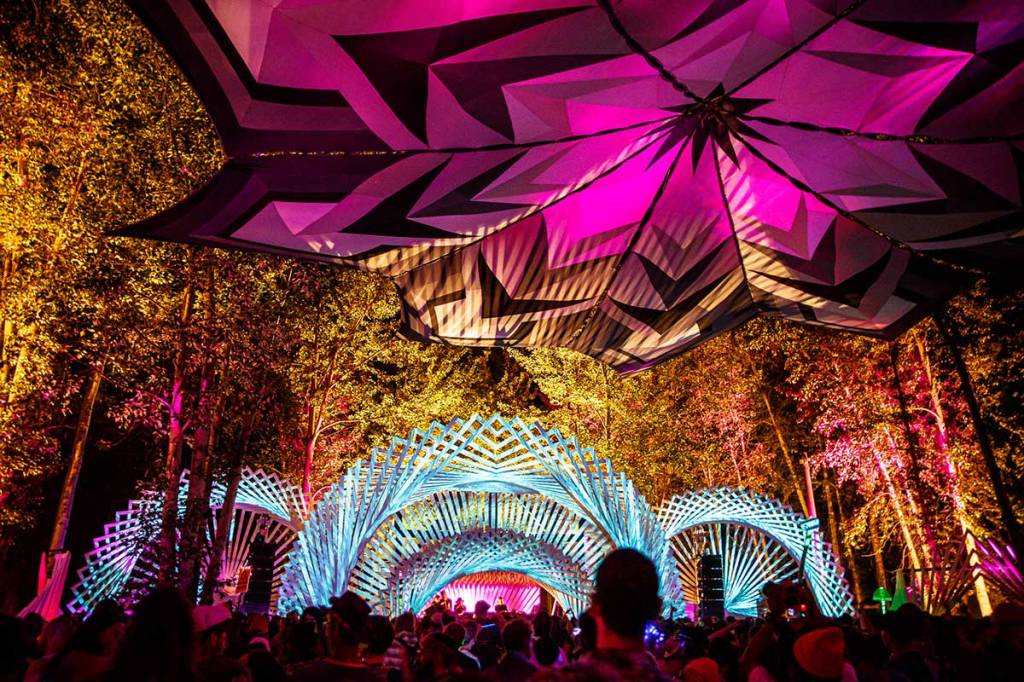
Jenn: I think another trend, and I think it fits right into what you said about community, is a bigger promotion for safer spaces. We’re not even just talking about drug testing. I’m thinking back when we first started, the warehouses were shutting off cold water in the washrooms so that it was just hot water and so you had to buy your water bottle, or they wouldn’t give you the lid to your water bottle so you couldn’t fill it up and stuff like that. Now at Department of Civilian Dance, that’s a warehouse party that’s one night they have a space space and people can go by and people can get earplugs or an orange and they have little cots if you need a moment to sit down; so I feel like it’s one of those trends. I know Bass Coast launched a huge program and did a great job of it, I personally haven’t experienced it but I know people who have worked on that team. I was at Future Forest in 2019 and they had a really great program as well with lots of people walking around checking up on each other. If an incident does happen then there is great support so it does feel like a safer space to enjoy and to you know, maybe push the boundaries, because lets be honest right? Listening to big soundsystem music at a festival can be a good place to explore your boundaries. So I think there is a trend for safer spaces.
Jon: It’s all people looking out for each other. People know the pitfalls of what is going on with partying and knowing the risks. There is just a bigger push to make things sustainable by making things safe. If people are dying every year at your festival its got a ticking clock on it. Plus, if people are dying every year at your festival then you might want to rethink what your boundaries are and how you are going to deal with that. There is one of these festivals coming up soon that people year after year are having a tough time with, I won’t say too much, but thankfully that’s one of the only ones that you see that happens. So it seems like there are a lot of good people involved. We know how much work it takes to do these things and not only just to do them and to pull them off in an incredible way and to keep control. I mean everybody likes it raw and wild in a way, but not in a way when it gets incredibly dangerous and I feel like there is a high priority with a lot of these festivals to make sure that things are all good, so I think we can identify that as another trend.
Jenn: Even with Stacks people have reached out to us saying “lets create this” or “let’s spearhead this” and so I feel like there is an energy and a push. It feels great, it feels good.
Jordan: 40Hz has historically been involved in a number of family friendly festivals, I attended Solstice previously which was family friendly and I understand that Stacks is also a family friendly festival. What do you think goes into making an evironment that is family friendly?
Jon: With Stacks specifically; this one is a daytime party. It’s a daytime beach party and kids have got to be running around on the beach for that kind of stuff. Plus we’re getting older now, a lot of our friends are having kids and we don’t want to exclude them or their kids. We want the kids to experience this too. It’s just fun when it’s like that. People are still able to have fun, but it adds whole new spin to things. It adds a playful element to it and I mean, again, this is a daytime party. I tell people: “This is a daytime beach party, the music is off at midnight, you want to get a good sleep and get back on the beach in the morning.” So I think, those two things go hand in hand: have a good time during the day and then get some good rest and that works with the parent’s schedules. We’re really incredibly happy to have kids running around at festivals, they’re the next generation.
Jenn: It is a good question, like with the safer spaces we were discussing. With the safer spaces we definitely incorporate the parents in the activities but one of the questions is like “oh do you have drug testing kits?” Well, that’s not appropriate at the beach with children. So there’s lots of dialogue and we’re incorporating parents and likeminded people. We have people from all ages. My parents come, and we have grandparents, children and everybody inbetween. I think creating a safe space means creating a safe space for all ages so it just takes more consideration. Just like Solstice did, it takes lots of talking and working through things as you try it, then analyze what happened and then make changes or adapt.
Jordan: Do you face any challenges when putting together festivals outside an urban environment?
Jenn: It’s the best outside of an urban environment!
Jon: The challenge is the location and that’s why Stacks is so incredible. Chris and Julie’s Fisher’s Paradise, is just an incredible location, the beach is prime, the river is amazing for swimming, there’s huge space for camping, it’s perfect for camping, it’s perfect for families. It checks so many boxes. It’s kind of far for us, but we kind of have to travel a little far if we want to use the soundsystem the way we want to use it. When it really comes down to it the location is the most important part and if you’re lucky to get your hands on one then you can really pull off something special. If the location isn’t ideal then you can only put so much lipstick on a pig, so it really comes down to location and then we have a great network of people that all pull together.
Jenn: Yeah the hardest part I guess is … honestly I don’t find there are hard parts! It’s just making it happen one step at a time and it all feels good and feels natural for us. We have a great community of people around us and everybody is all in and excited. You know when the energy is there, then it’s game on.
Jordan: What can you tell me about Stacks on the Beach 2021?
Jenn: Three day beach party. Sunshine. Saunas.
Jon: We had a big geodesic dome on the beach. It was a four day, sun-soaked, family friendly event on a golden sand beach with a soundsystem planted there. We had a visual artist doing live painting. It was kind of an experiment in a way. We didn’t know how it was going to pan out, but I think because we came right out of COVID right into that. It left a huge impact on people and it was really emotional to be back in a social environment with that many people with the weather and the soundsystem. It was one that really tugged on the heartstrings. I feel like COVID had a huge thing to do with that. It was taken away from people, ripped out of their hands and we were able to get in there early and give that back to people. It was really special. Yeah, there will be other times like that, but you never know what you have until it’s been taken away and then it’s given back to you like that. Thankfully that doesn’t happen too often but when it did happen it was pretty incredible to be in the midst of everybody. It was just a bleeding heart energy in the best way.
Jenn: The land just lends itself too. The energy of that location is really great, Chris and Julie just day-to-day promote body positivity, acceptance and so just going there right off the bat feels great because you just feel welcome. It’s comfortable. That teamed up with the art installations that we had and the music curation, the lights and the people. It felt really good.
Jordan: What’s your vision for Stacks 2022?
Jon: It’s going to be a similar format.
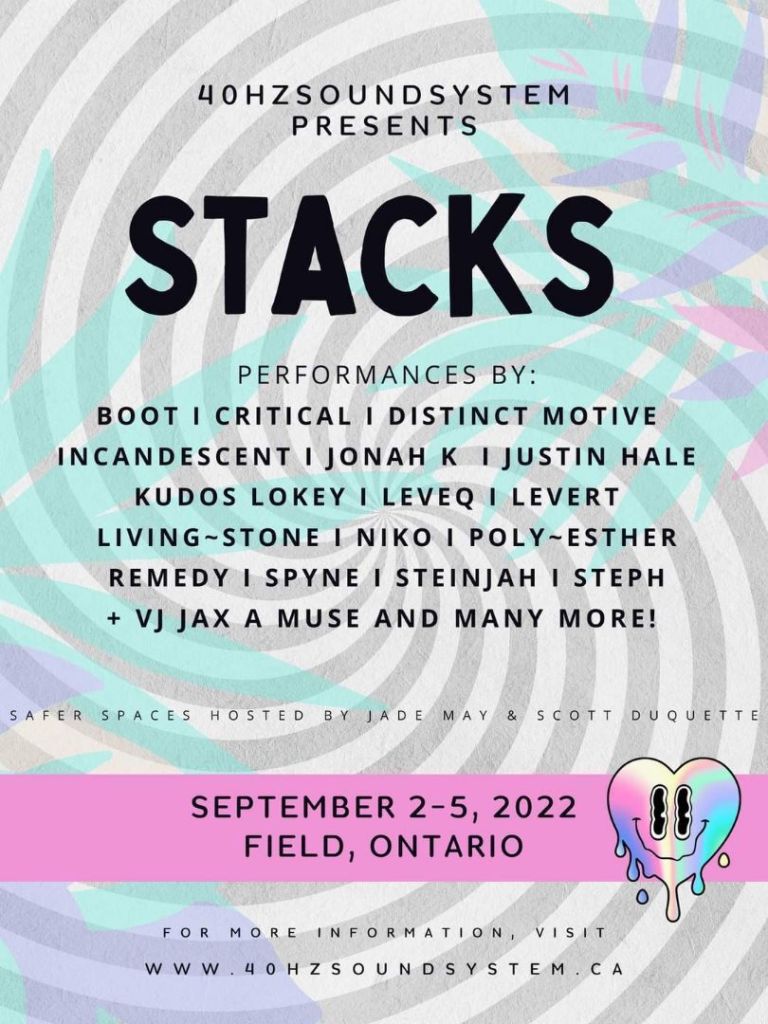
Jenn: We’ve confirmed a 50% new artist lineup just to try and encourage and create opportunity for new people. We have some great visual artists. Lots of people have been coming forward with these great ideas and it’s so exciting to see so much inspiration and lots of creative juices flowing. The event is small, it’s about 200 people so it’s family vibes in that way.
Jon: Yeah it’s an intimate vibe and I think that’s something that we always want to retain. We have thought about maybe throwing way more at it and then maybe making it a lot larger, but in our hearts I don’t think that’s where we want to go. We kind of want to keep it with family, some people automatically associate that with parents and kids, but what I mean is really more a network of good people. I’ve found that a lot of the people that went last year, even a lot of people that we didn’t know which were a lot of great characters and as soon as things came up again this year then they were immediately in again. I feel like it was a culimation of like-minded people and this year, with what happened last year, all the right people end up being there again. You know it’s a long drive from Toronto. Not everybody that wants to go is going to be able to go and the people that do make it, they’re there for a reason and I feel like we’re incredibly grateful if you want to drive five hours from Toronto to come.
Jenn: There’s lots of great people from Sudbury who come too, and North Bay. There are a lot of people who have moved out of the city and so we have a lot of satillite communities. We’re actually feeling a lot of love from the satillite communities which is great because Jon and I aren’t even from the city, we live in the suburbs and we’re always in small towns. So it’s great to grow in environments with likeminded people where people are happy to have us.
Jon: Jenn mentioned people moving out of the city and the scene becoming little networks of little towns, which then become one big network. When it really comes down to it, people are there for the soundsystem and even though the music isn’t running all day, it emanantes a certain vibe to it. Stacks is really built around the beach and the soundsystem and we kind of want to maintain that beachy, family, intimate vibe as long as we can because it just feels natural and good. Asking what our vision is for 2022 is a hard question to answer but I think it’s just to create a fun space in an incredible location with the soundsystem and some great artists and that’s the roots of it.
Jordan: Do you have anything else you want to add for the readers?
Jon: If you want to know more about Stacks go to http://www.40hzsoundsystem.ca and that’s where the Stacks info sheet is. All the people from Sudbury, you’re going to want to make your way out to Fisher’s Paradise, September 2nd to 5th and come down to the beach, the dome, bring your tent, bring your kids and if you don’t know then come get to know.
Jenn: This is Steinjah and you’ve been reading Nickel City Frequencies!
Jordan: Thanks guys!
(Interview has been edited for clarity and length.)
 Nickel City Frequencies // Official Website